Tromsø is Last Year: Try Narvik to watch the Fascinating Northern Lights
Destinations • Europe • Family Travel • Norway
September 1, 2026
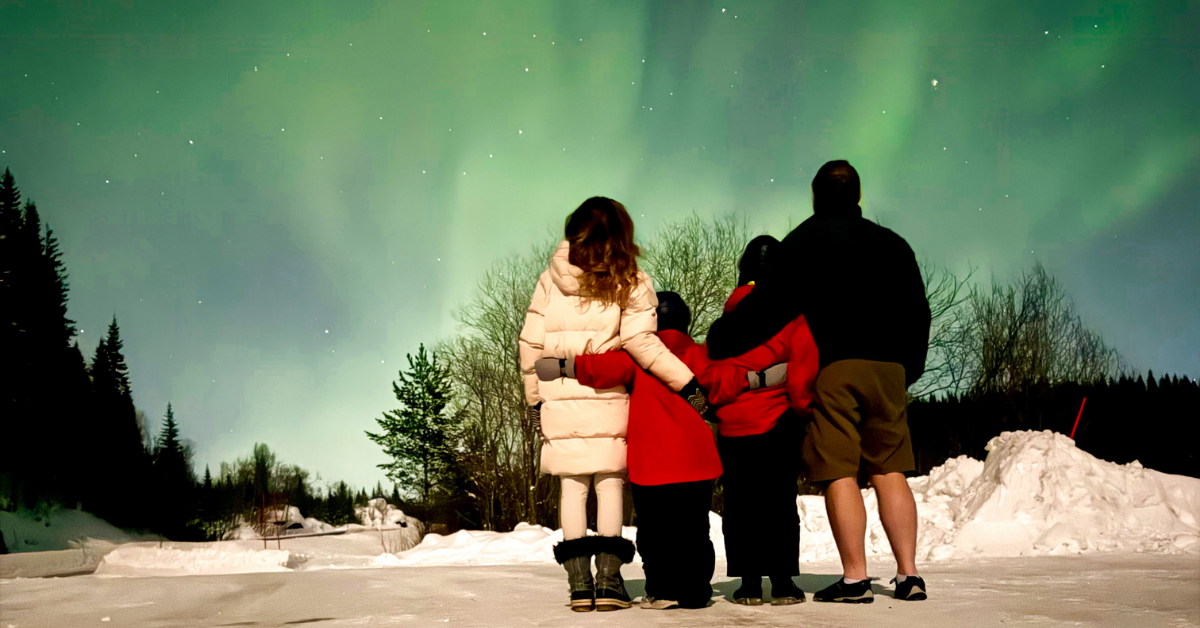
Ribbons of purple and green danced across the Narvik fjord sky. We pulled over, cut the engine, and watched through the glass roof while our two ten-year-olds jumped out of the car and stared.
That’s the pitch for chasing the Narvik northern lights with kids: watching your kids, who always have something to say, go completely silent, necks craned, mouths open, at something bigger than any screen has ever shown them. You can chase that moment from a tour van, but we did it from a rental car in Narvik, and here’s why that’s the version worth booking.
Table of Contents
- Why Narvik Beats Tromsø for Northern Lights with Kids
- When to Go: Timing Your Aurora Trip
- How to Get to Narvik
- The Airport Wait Nobody Warns You About
- The Night Sky of Your Dreams
- How to Watch the Northern Lights in Narvik with Kids
- Driving an EV in the Arctic
- 22 Hours in Narvik with Kids
- What the Weekend Costs
- The Stockholm Bookend
- What We’d Do Differently
- FAQ: Narvik Northern Lights with Kids
Why Narvik Beats Tromsø for Northern Lights with Kids
Tromsø is last year, and we can say that because we’ve done both. We chased the lights there before the boys existed, and the aurora delivered. The trip around it didn’t: a lavvu tent full of strangers, thick with smoke from a fire that barely kept us warm, the guide’s fixed schedule, and tour prices for the privilege of being cold in a group.
Other Arctic Towns Worth a Look
Narvik and Tromsø aren’t the only options north of the Arctic Circle. We looked hard at Alta, Norway, before settling on Narvik for this trip. Alta’s inland position, shielded by mountains from the Atlantic weather that hits the coast, tends to give it drier, more stable skies than either Tromsø or Narvik. What ruled it out for us wasn’t the sky. The flights did: on our Tromsø trip, most connections north of Tromsø got canceled for weather, and we didn’t want that risk on a short window with kids in tow. Worth a look if your dates are flexible.
Chasing the northern lights with kids is like any travel experience: how you do it can make or break it. A poorly timed excursion that runs into the witching hour, or skips a meal, can turn a magical night into a miserable one. A guided aurora chase runs on the aurora’s schedule, a hard sell for a ten-year-old two hours past bedtime in a tent full of strangers. In Narvik, we watched from a warm car with a glass roof, and the boys hopped in and out as the show ebbed and flowed. Nobody froze, and nobody melted down. Compare that to our Tromsø lavvu wait, and the choice is simple.
When to Go: Timing Your Aurora Trip
The Odds Are the Same Everywhere
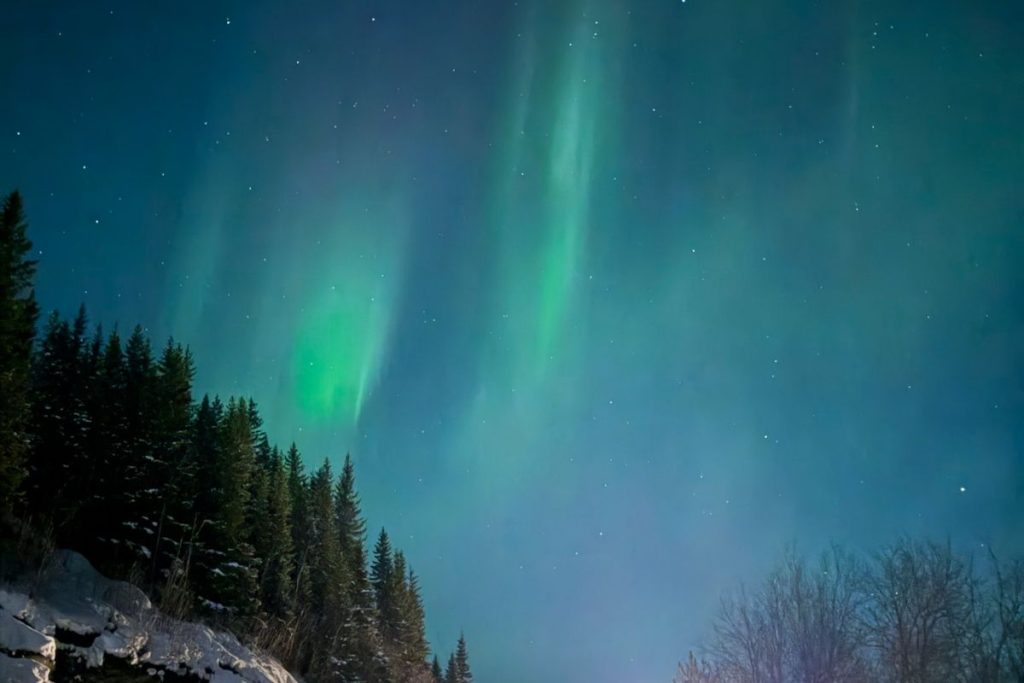
Here’s what matters before you book Narvik, Tromsø, or anywhere else above the Arctic Circle: the aurora depends on solar activity, not on standing in a particular spot. Narvik and Tromsø sit in the same auroral oval, so the sun and the cloud cover decide whether there’s a show, not the town you picked. What changes between the two is how easy it is to see one. Narvik is a fraction of Tromsø’s size, with fewer streetlights competing with the night sky and fewer people between you and a clear view. The town holds around 14,000 people, no dinner reservations needed, free parking at every layby viewpoint, and darkness two minutes from the town center instead of thirty.
Book more than one night if your schedule allows it. Better odds don’t guarantee a show, but they help. We got lucky with one night in Narvik. There’s no guarantee anywhere above the Arctic Circle, only better odds with more nights. Narvik makes the wait itself easier.
Want more travel tips like these?
Join the newsletter and be the first to know when new travel guides are published and get exclusive tips. Plus Get My Free Flight Cost Saving GuideLearn how I save on every flight.
Time It with the Solar Cycle
Book when you can book, and keep your expectations in check either way. We went to Tromsø in 2011, two nights, right as Solar Cycle 24 hit a rare early peak on its way to a bigger one in 2014. The sun and weather both delivered: a solar flare a few days before, and a cloud-free sky the night we went hunting. Friends of ours went the same month in 2012, still in that same active stretch, four nights, and saw nothing. We took this Narvik trip in February 2026, well into Cycle 25’s decline, and it delivered too.
Two successes and one failure, spread across three genuinely different points on the curve. The eleven-year cycle sets the odds over the long run. Any single night still comes down to weather and luck on the ground. Solar Cycle 25 peaked in October 2024, and forecasters expect decent conditions to hold through 2027, but don’t plan a trip around a chart. Go when your schedule allows it.
Best Months and Hours to Watch
The season runs late September through early April, but not every month inside that window is equal. November brings the deepest darkness first, though cloud cover tends to run highest then too. December buries Narvik in true polar night, no sunrise at all, which also means no daylight left for exploring the town. February and March hit the sweet spot. Nights are still long enough for real viewing odds, skies run historically clearer than the darkest months, and there’s enough daylight back to see the fjord and walk the town between hunts.
Inside any given night, aim for roughly 9 p.m. to 1 a.m. Aurora activity clusters around midnight more often than not. During true polar night, a show can appear at almost any hour since darkness runs most of the day. Outside that stretch, treat the early evening hours as your best shot before bedtime gets in the way anyway.
Tips to maximize your odds: – Book multiple nights, not one – Pick a base with historically lower cloud cover – Get outside the city lights for your viewing spot
How to Get to Narvik
Narvik gives you four real routes, and the right one depends on your dates and your appetite for the journey. Compare all four before you book, because prices flip month to month.
Option 1: Fly
Harstad/Narvik Airport at Evenes (EVE) sits about one hour from town by road, with connections through Oslo. Fastest door to door. We flew SAS, a full-service airline that runs more like a budget carrier on short Nordic hops, so pack your personal item accordingly. We found our February flights through the same fare tactics from our budget airlines guide.
Option 2: Train
The overnight sleeper runs from Stockholm to Narvik, up the full length of Sweden and across the border on the Ofoten line. It’s one of the most scenic rail journeys in Europe. Compartments start around 1,595 SEK. Slow travel with kids sounds risky and works better than you’d expect. Our full sleeper-train review publishes later this fall.
Option 3: The combo (what we did)
Fly in, train out, or train in, fly out. We flew to Evenes, drove the fjord road into Narvik, and left the next evening on the overnight train from the station, a five-minute walk from the town center. Two Arctic arrivals for the price of one trip. And a bonus experience for any train lovers in the family: a full night sleeping on a train. Book the pieces separately; no bundle exists.
Option 4: Fly to Tromsø and drive
Tromsø gets more flights, which sometimes means cheaper fares. The drive south to Narvik takes about four hours through fjord country that qualifies as an attraction in its own right. Price it when EVE fares look high, or when you want both towns on one trip.
For any route, land with a working eSIM: aurora forecasts and charging apps need data the moment you arrive. We use Airalo.
The Airport Wait Nobody Warns You About
Two warnings before the magic. Evenes is small, and the rental car counters can run on skeleton crews. We waited about an hour for our keys while the line of people behind us grumbled in multiple languages. Several agencies operate at the airport, but only Hertz keeps an office in Narvik itself, by the train station. Our airport-pickup, station-dropoff plan made Hertz the only option that worked for us.
The second warning came from Hertz itself. Their reservation confirmation flagged both the airport and Narvik locations as self-service kiosks, and the message said you’d need the same credit card used to book the rental, PIN included, to pick up the car. We scoured the internet beforehand and never found anyone who’d needed the PIN at pickup. We didn’t either.
Do this before you land:
- Book the car the moment your flights are set — Hertz if your plan involves both the train and the flight
- Photograph every panel at pickup
- Build a buffer into your plans in case the line runs long
- Compare EV rates across agencies at AutoEurope, which covers Evenes directly — the electric choice pays off in ways we’ll get to
The Night Sky of Your Dreams
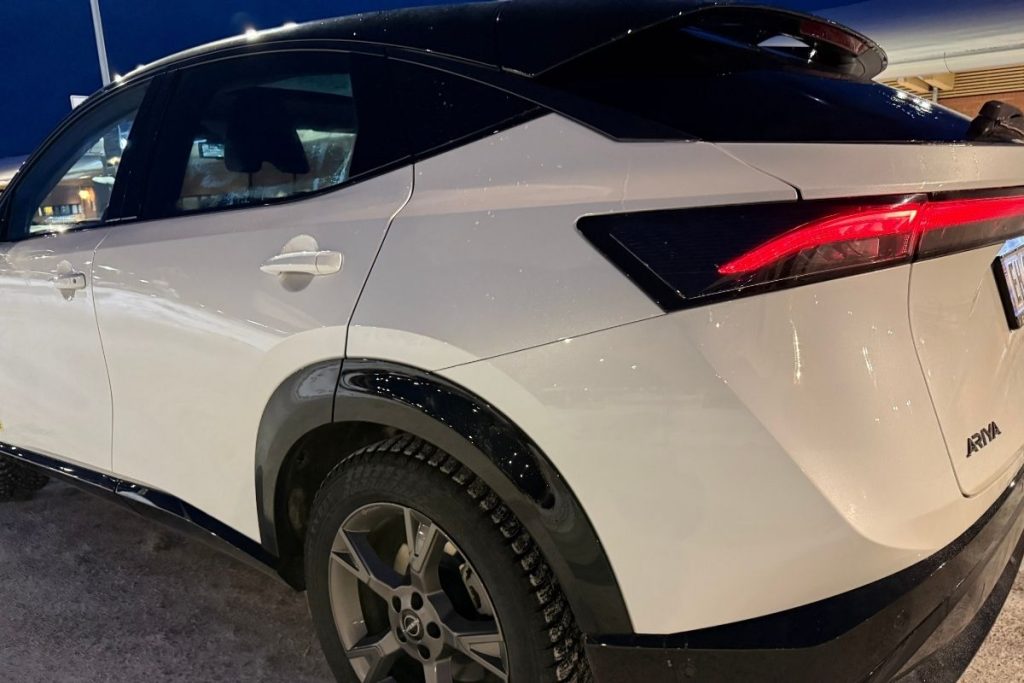
We landed, waited out the rental line, drove into Narvik, and sat down to stone-oven pizza at Pizzabakeren. By the time we walked out, the aurora had started without us. We had twenty minutes to our viewpoint. We drove with eyes on the glass roof while purple and green curtains rippled overhead, brighter than any forecast promised. We should have pulled over. Instead we got the best view of the night through the roof of a rented Polestar, heat on, boys oohing and wowing.
Then came the part that cost us. Waze routed us to a layby viewpoint past the Airbnb, straight through a tunnel that closes on winter evenings. The backtrack cost us the peak of the show, and if we’d rented anything but an EV, it would have cost us another $22 in tolls too (more on that below). The lights still glowed when we parked, enough for family photos we’ll keep forever, but the wild phase had passed.
Two lessons, learned so you don’t have to: when the aurora starts, stop. And check tunnel hours and road closures before trusting any navigation app above the Arctic Circle.
How to Watch the Northern Lights in Narvik with Kids
No tour required. The aurora rewards preparation, not spending.
Check two forecasts, not one
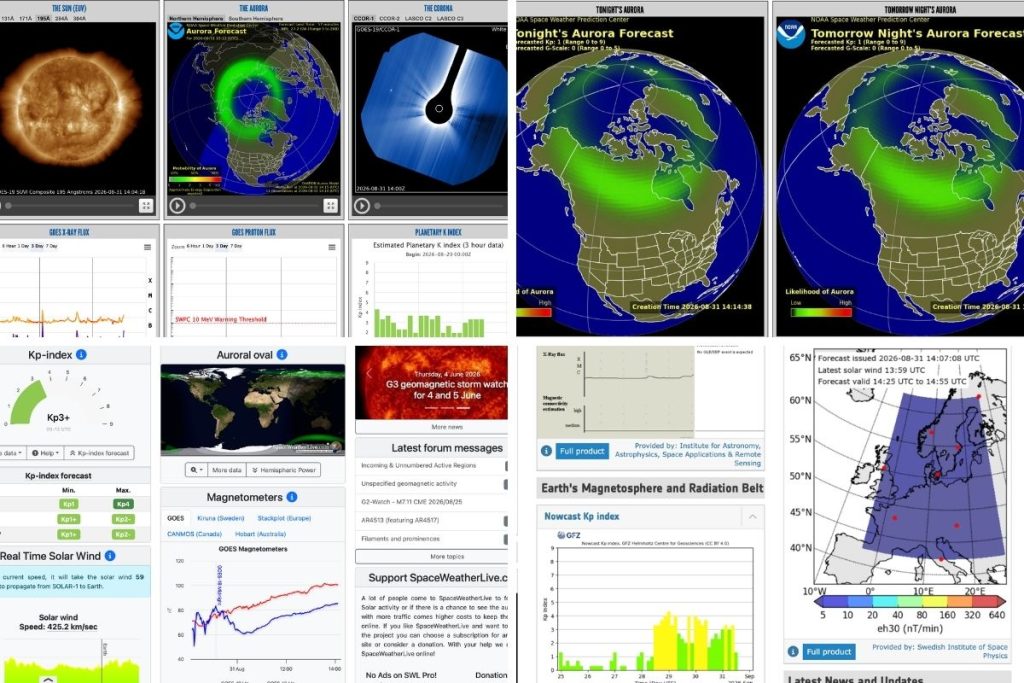
Aurora hunters track weather and solar activity together: a strong solar storm means nothing when it’s cloudy. We checked all four of these before and during the trip:
- NOAA Space Weather Prediction Center
- NOAA aurora viewline for tonight and tomorrow
- SpaceWeatherLive
- ESA Space Weather
You’re looking for a solar flare a day or two before, and clear skies the day or night of. Cross-check them the afternoon you arrive, pick your window, and eat dinner early enough to be flexible, or pack a car picnic.
Trust the camera over your eyes
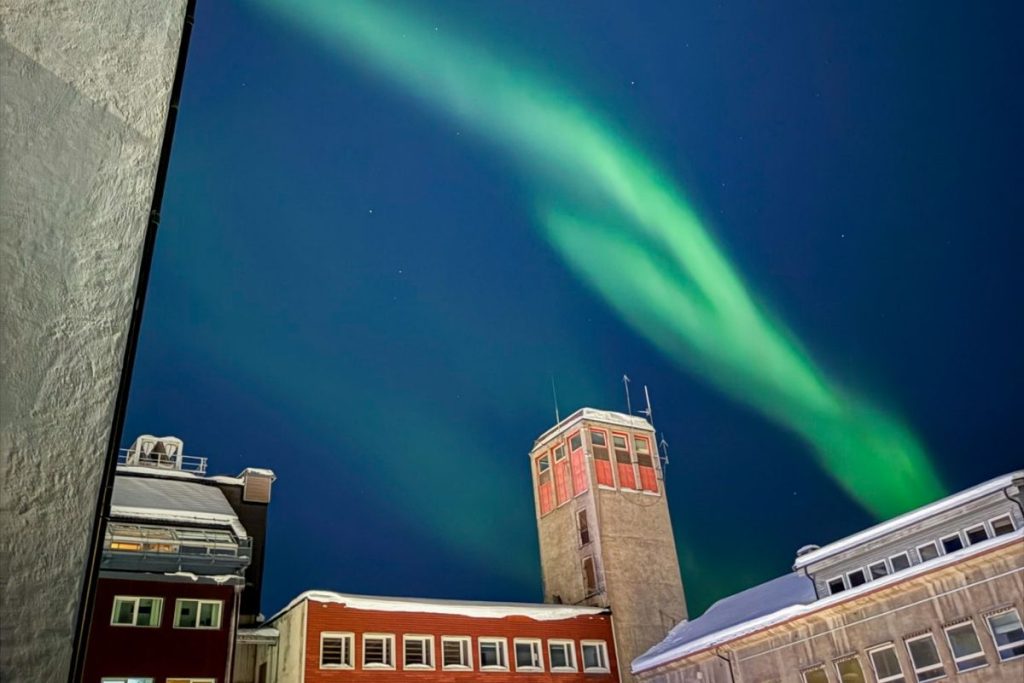
A phone camera sees more color than you will. Faint gray-green wisps to the naked eye photograph as vivid green ribbons. Show the kids the screen when the display looks weak; the photos convince them the hunt works, and the hunt stays fun.
A small tripod earns its space in the bag for night mode. Even a few seconds of handheld shake blurs the ribbons into a smear. We clip a Joby GorillaPod to whatever’s nearby, a fence post, the dashboard, the car mirror, and let the phone do the rest.
Use the car as base camp
Park at a dark layby, keep the engine on and the heat up, and let everyone hop out when the sky flares and back in when it fades. Kids last hours this way. Kids in a tent last twenty minutes. Late February gave us long dark evenings with the worst of the polar night already gone, a sweet spot worth copying.
Pick your base with the sky in mind
Not every Airbnb sits equally dark. Before you book, check the listing’s location against a light-pollution map like Light Pollution Map or the satellite view on Google Earth, and ask the host directly whether the porch or deck has a clear view north, away from streetlights. A five-minute check before booking beats discovering your view is a parking lot floodlight.
No car? There’s a splurge option
If you’re not driving, or you want one guided night without giving up the rest of the trip to a tour schedule, The Northern Lights Train leaves Narvik Station on the historic Ofoten Line for Katterat, a station 373 meters up with no road access, one of the darkest points in the region. About three hours round trip, a campfire, hot drinks, and a guide, starting around 1,495 NOK (about $140) per person. It’s close to the Tromsø tour experience this whole post steers you away from, but if a rental car isn’t in the cards, it’s a real option, not a compromise.
Driving an EV in the Arctic
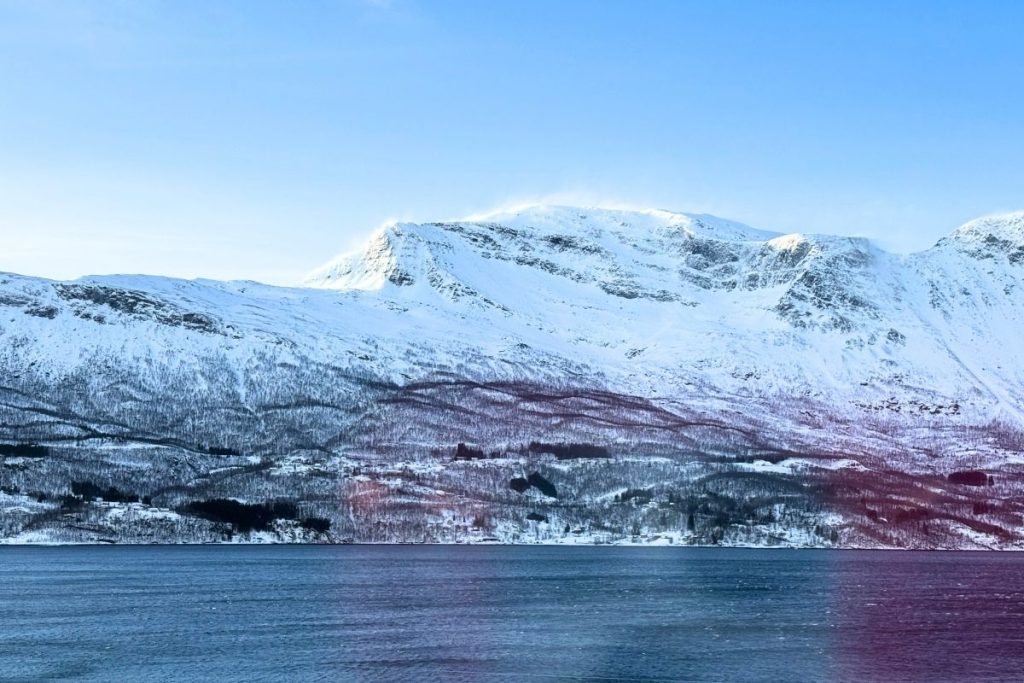
An electric car above the Arctic Circle sounds like a dare. In Norway, it’s reality: nearly every new car sold there is electric, and charging infrastructure reaches deep into the sparse north, even this far above the Arctic Circle.
Our numbers tell the story. The Polestar left the rental lot at 72% charge. Cold weather drains EV batteries faster, and an evening of aurora chasing at -6 to -9°C brought us to 52% by the time we reached the pizza place, a faster drop than our EV at home ever shows. The fix cost nothing: our Airbnb had a charger in the driveway, and we plugged in overnight and woke up above 80%.
Total charging spend for the whole trip: $13.36. Two stops on the Mer network, $7.93 and $5.43, the second a quick top-up to return the car near its pickup charge. Rates felt comparable to charging in the US or France. Electric cars also skip Norway’s road tolls, the discount that saved us from that costly navigation mistake.
Before you go:
- Download the Mer app before you leave the airport
- Skip the range anxiety — chargers turn up at homes, hotels, malls, and random building sides more often than gas stations do back home
22 Hours in Narvik with Kids
Aurora chasing runs late, so build the next day around a slow start. We slept in, took our time, and still saw the town, because Narvik is compact enough to cover between a late breakfast and an afternoon train.
Where to Eat
Scandinavian prices make you hold your breath. Prices run high compared to almost anywhere else, and feeding two growing boys can eat a travel budget fast if you’re not careful.
Where we ate:
- Pizzabakeren — pizza dinner our first night
- Fiskehallen — lunch the day of the train, attached to a fishmonger, the fish as fresh as it gets, and the cheapest protein per pound/kroner
- Steinovnsbakeriet Myklevold Kafe — a bakery near a grocery store in a mall, for provisions to carry onto the train
- Grocery store — breakfast and snacks for the train ride
- Jernbanecafeen — the little railway café, for a latte to warm up before departure
Ways to save on food in Scandinavia:
- Eat local. Arctic fish, spelt bread, seasonal vegetables, and reindeer cost less than anything imported or novel.
- Buy groceries. A loaf of bread with a spread or cold cuts stretches further than any restaurant meal.
- Check reviews in the local language. Most platforms show which language a review was translated from. Reviews written in Norwegian or Swedish point to places that cater to locals, not tourist prices.
What to See
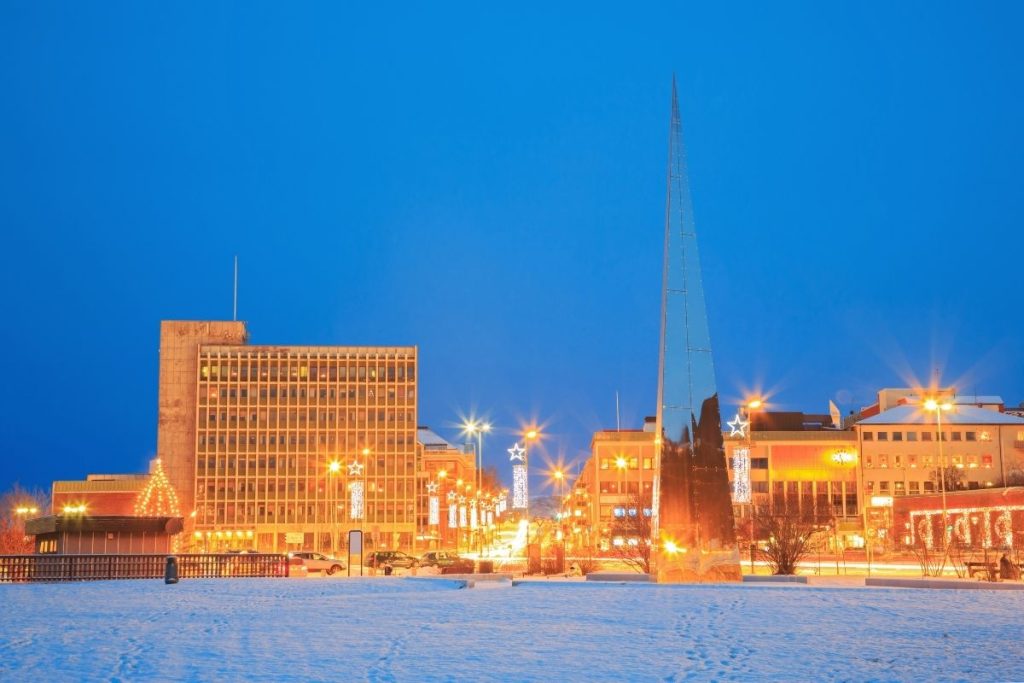
Outside of meals, the town square holds a striking polished-steel monument that catches the Arctic light from every direction, and Narvik itself is small and walkable if you’re willing to brave the cold. Staying a few extra days? There’s a full downhill ski resort in town. We didn’t wake up early enough to try it, but it looked worth the trip. Hiking trails run in every direction too, though remember this is the Arctic: it’s dark most of the day, and it’s cold in a way that changes your plans.
What to Pack
Layer everything:
- Base layer, light enough to pack extras — underwear, long johns, a tank or bralette
- Mid layer you might swap daily — long sleeve shirt, jeans
- Insulating layer that stays put for the trip — a thick wool sweater
- Outer layer, waterproof — a knee-length winter coat if you can manage it, snow pants if you run cold
- Air-activated heat packs — HotHands hand warmers
We carried it all as one bag each. The boys took their REI kids’ packs, my husband took his SwissGear backpack, and I carried a lululemon backpack with an Alo sweater packed in for extra warmth. Our long-weekend backpack post covers the full system.
What the Weekend Costs
A weekend chasing the Narvik northern lights with kids costs less than most people budget for a single guided tour in Tromsø.
The complete itemized breakdown, every krone from flights to that train café stop, gets its own post: Narvik budget companion post — publishing Sept 29.
The Stockholm Bookend
Flying through Stockholm turns a layover into a bonus city. Follow our itinerary and this leg plans itself.
Quick logistics win: ask your Stockholm hotel to hold your bags. We left our suitcases with the Radisson Blu for free during our night in Narvik and flew that leg on carry-on only, worth doing even if Narvik isn’t sandwiched between two other trips the way ours was. (Ours happened to bookend a ten-day run that ended in Florida, Arctic Circle to warm beaches on one itinerary. That’s a story for another post.)
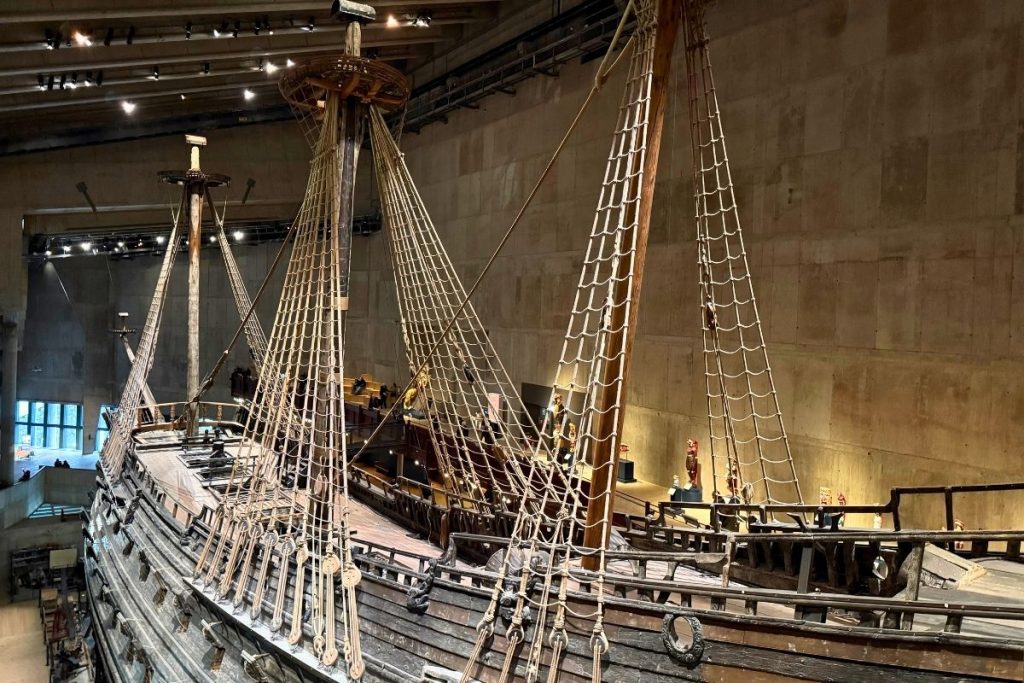
We based ourselves at the Radisson Blu at Arlanda (three separate nights across the trip, and the in-airport location earned it every time). One day in the city covered the essentials. Start at the Vasa Museum, where a fully preserved 17th-century warship fills a building and kids under 18 enter free. The audio guide is worth the add-on if your kids want the full story of the ship, not only the size of it. Lunch was meatballs at the IKEA, because when in Sweden, and dinner at Restaurang B.A.R, seafood, eating local again.
Arlanda sits in its own transit “zone,” separate from the rest of the SL system, and traveling into or out of it on the commuter train carries an extra passage fee. Budget for it, or skip it entirely: if Stockholm doesn’t sound appealing, Oslo, Copenhagen, and Helsinki all work as a base instead.
What foods to try:
- Meatballs
- Cinnamon rolls
What We’d Do Differently
A short list for next time:
- Pull over the instant the lights start. The show peaks without warning, and the spot you’re already in beats any spot you’re still driving toward.
- Check tunnel, road, and bridge closing hours before trusting a navigation app in winter Norway. Ours closed at night, and Waze never got the memo.
None of it diminishes the verdict. The trip was worth every dark, cold minute. Our boys jumped out of the car the second we pulled over, and they were still watching, long after we should have called it a night. Tromsø gave us the aurora once. Narvik gave it to our kids.
You know you want on the Newsletter
Travel tips straight to your inbox.
FAQ: Narvik Northern Lights with Kids
Yes, on the same odds as anywhere else in the auroral oval. Narvik makes it easier to get away from the light pollution. We saw a full multi-color show on our one night there. We also know people who spent four nights in Tromsø and saw nothing. Clear skies and solar activity decide the night, not the town.
The season runs from about September to early April. We went in late February: long dark evenings, the deep polar night already over, and daytime hours for the town and the fjords.
The sky is the same; the experience isn’t. Tromsø means crowds, tours, and driving further for a similar experience. Narvik means a rental car, an empty layby, and kids who can warm up between waves of the show. For the Narvik northern lights with kids in tow, Narvik wins.
Fly to Harstad/Narvik Airport at Evenes (about an hour from town), take the overnight sleeper train to or from Stockholm, combine the two like we did, or fly to Tromsø and drive four scenic hours south.
No. A rental car, two forecast apps, and a dark pullout on the side of the road replace the tour van. That’s the whole secret, and it’s the reason a Narvik aurora trip costs a fraction of the packaged version.
This post contains affiliate links. If you book or buy through them, we may earn a small commission at no extra cost to you. We only link to gear and services we used on this exact trip.